
A Revolutionary Slant
No. 202: The Singer 301; Art (Patternmaker); Life Through Textile, Aze Ong, Geraldine Javier, Magdalena Abakanowicz, Nahia Diwata, Giovanni Aloi; ArtGrants; Betty Hutton, and DJ Question Mark

THEN & NOW
The Singer 301
Within a year or two of our moving into the new house, Mom bought a high tech (for that time) Singer 301 sewing machine. In order to live the way she wanted, and to be able to have “nice things,” we needed to bring in more money. Both my father’s job and Mom’s cannery job paid for the mortgage and necessary things, but not for “nice things.”
However, Mom had aspirations that went beyond sewing and repairing the family wardrobe. Her excellent sewing skills1 helped to cement friendships. It was also a way to contribute to the community she was becoming a part of. Before long, she was designing and sewing fancier clothing, mostly formal gowns, and selling them to her friends who wore them at dances and banquets sponsored by local Filipino organizations. I suspect she hoped to fulfill an old dream of being a fashion designer.
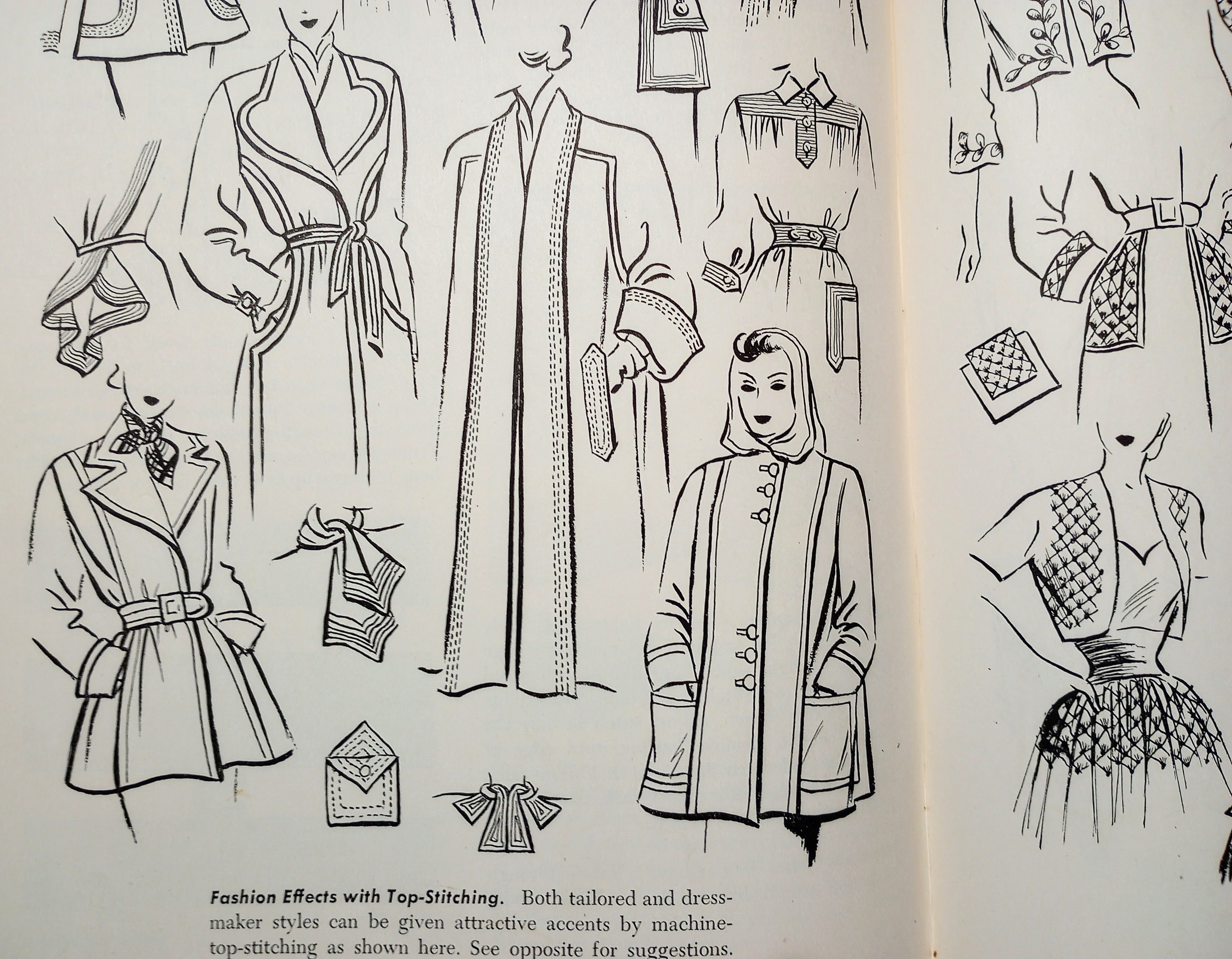
The Singer 301 was touted as “revolutionary” because it was the first “slant” needle sewing machine ever produced; the slant provided “better visibility at the stitching point” for the person sewing. The machine was cradled in a dark mahogany cabinet that folded out like a desk around it. Material could be laid on the extended table surface as it was moved under the needle. On the right-hand side of the cabinet there were two drawers where the sewing supplies were stashed.
I accompanied my mother on trips to Hart’s fabric store, and she encouraged me to help her pick out fabrics for the gowns she would sew. The store was large and featured bolts of fabric in a profusion of bright colors and textures: gold, silver, turquoise, yellow, and red; sequined surfaces, brocades, satins, and airy chiffons. And there were all the notions: threads, interfaces, straight pins and needles, buttons (who would’ve known there were so many sizes, shapes, and colors?), hooks, strangely shaped scissors, and zippers.
Sometimes, Mom would buy patterns. But she made her own patterns, too. She drew them on translucent white paper that she marked up with lines and dashes to indicate seams and darts. She also drew other symbols that (to my young eyes) only experienced seamstresses knew how to decipher.
In time, she would order fabrics from the Philippines, including expensive piña fiber cloth for traditional Filipino ternos with butterfly sleeves. Here’s a video showing the slow process for producing piña thread and weaving the threads into cloth:
Below is a video tour of the Singer 301, presented by Laura of Twinsneedles LLC.:
I still have a memory of sitting on the floor near the sewing machine—hearing the rat-a-tat-tat of the mechanism as Mom guided the materials under the needle. I also remember lying on my back on the floor, surrounded by satin and chiffon fabrics, and rolling around on them like a puppy. Mom must’ve been out of the room; I don’t think she would’ve approved!
ART
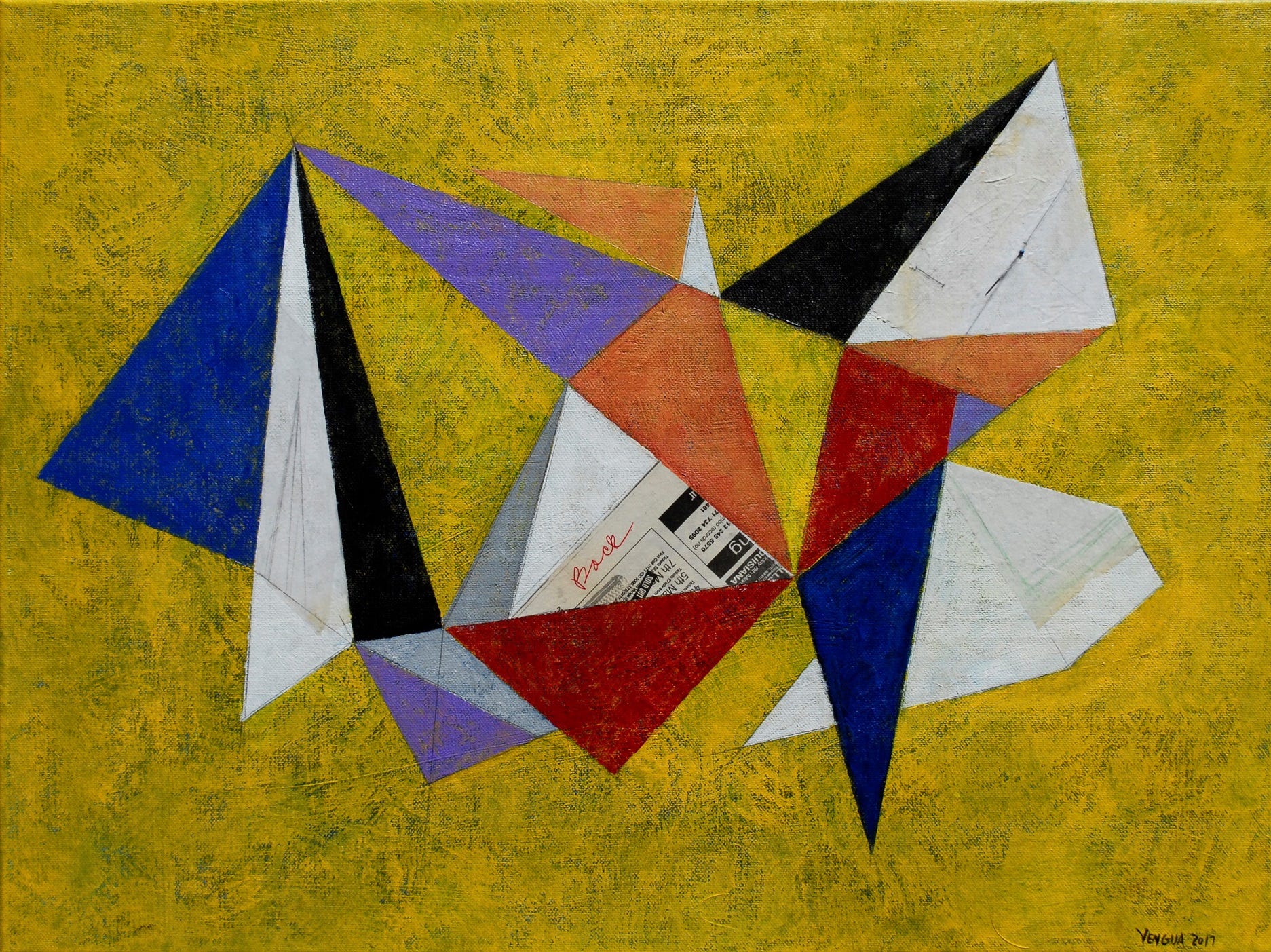
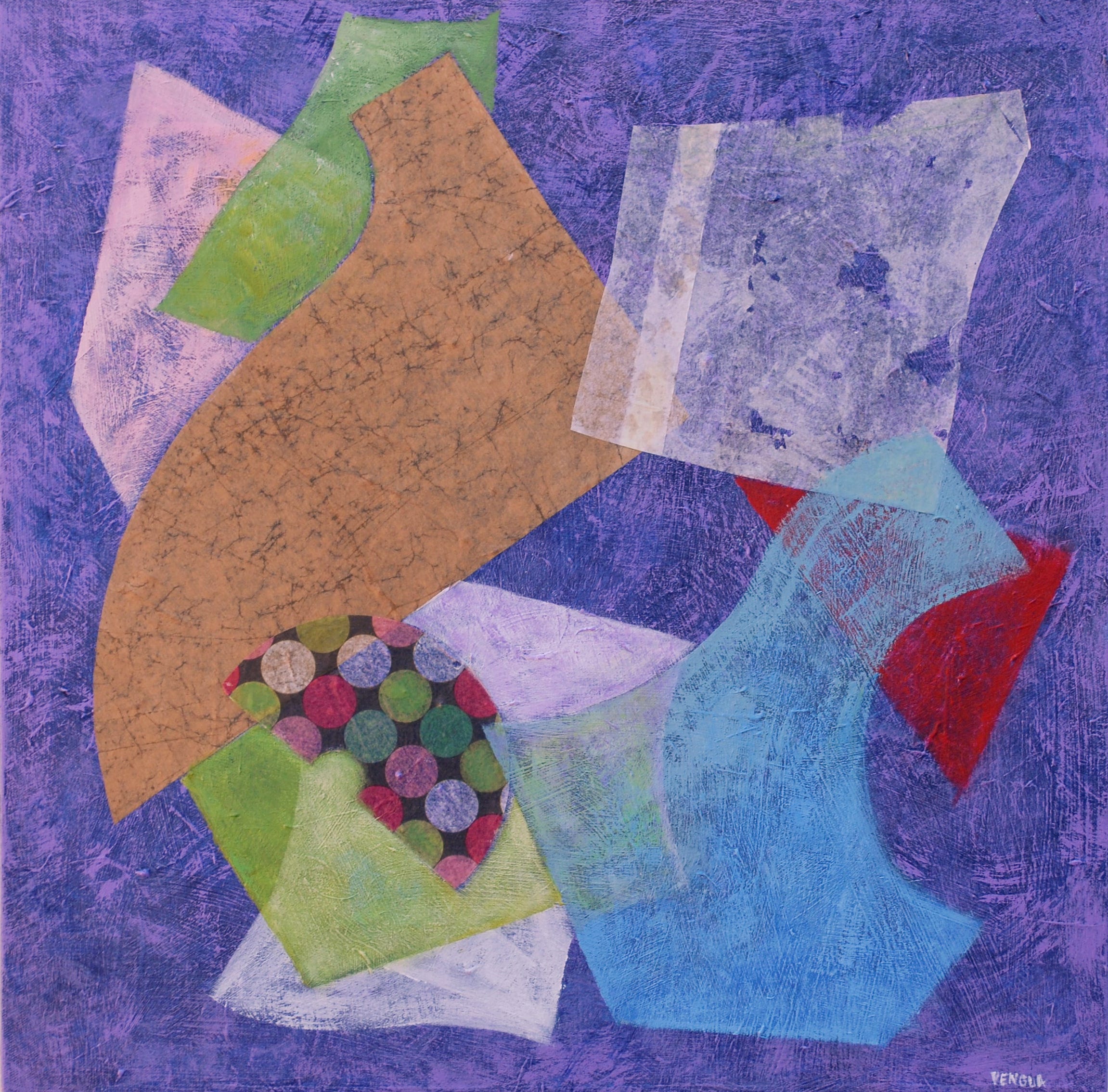
Collage (acrylics, paper, and straight pin) utilizing pieces of my mother’s sewing pattern, which she made using newspaper and tracing paper.
RABBIT HOLE
“Life Unravelled Stitch by Stitch: 5 Filipino artists who probe the intricacies of life through textile,” article by Chesca Santiago in Art+.
Crochet artist Aze Ong talks about her work:
Five Gardens by Geraldine Javier: a textile installation in response to four artists who were gardeners:
Magdalena Abakanowicz's forest of woven sculptures: Abakans:
Nahia Diwata answers the question: “What did Visayans wear before Spanish colonialism?”
Giovanni Aloi on “Vegetal Realism,” “Plant Politics,” and humanity’s deeply problematic relationship with plants. Particularly interesting are his comments on Eddie Rodolfo Aparicio’s installation art with trees in relation to immigrant culture, “blurring the boundaries between nature and culture”:
The whole of Western art has sort of pretended to invite us to look at plants to really just hold a mirror to ourselves, constantly. And that of course has led to the objectification of nature; it has led to so much diminishing of what plants and animals are about. “Realism” constructs truth . . . There is no room for speculation, there is no room for ambiguity, there is no room for questioning. —Giovanni Aloi
Grant Resources (California and Central Coast):
Arts in California State Parks grants (open for applications in Spring 2026).
Arts Council of Santa Cruz County offers a "Support” grant, a “Create” grant, and a “Develop” grant.
Arts Council for Monterey County offers both Community and Individual Artists Grants. The latter will be open for applications in February.
SOUNDINGS
“The Sewing Machine,” performed by Betty Hutton in the opening scene of the musical The Perils of Pauline (1948) on the AW720 channel:
“Song of the Sewing Machine” by DJ Question Mark, for the 2015 SS APUJAN's London Fashion Week show teaser:
Big thanks to all of you who read Eulipion Outpost regularly, and to those who have subscribed or donated on my Ko-fi page to support my efforts.
My ongoing appreciation goes to the Mysterious M. for his editing.
My website: Jeanvengua.com
I just started a new blog, Eulipion Post, as a way to document postal art I receive and send.
Eulipion Outpost is a reader-supported publication. To receive new posts and support my work, consider becoming a free or paid subscriber.
Mom learned her sewing skills from her home economics program at college. In the American colonial administration, home economics was encouraged as a proper field of study for Filipino women in the pre-WWII Philippines. Sewing, cooking, healthcare, and domestic finances were included in the curriculum.
Also loved the Aloi lecture, especially the Eddie Rodolfo Aparicio. Trees as undesirable immigrants and the whole nightmare of our current immigration “policies”.
What a delightful piece! I devoured every segment especially the pina cloth making. How tedious, but it turned out beautiful.
I have many memories of my grandmother‘s sewing machine as well. Thank you for writing this piece. I love that you had made art out of your mom‘s patterns. I wonder if you also have pictures of the ladies wearing the dresses she made.
The fabric store is also one of my happy places. When I was a young mother, I would spend hours there picking fabric for my daughter’s dresses. She would just graze her hands on the triangular pieces of fabric hanging off the bolts.